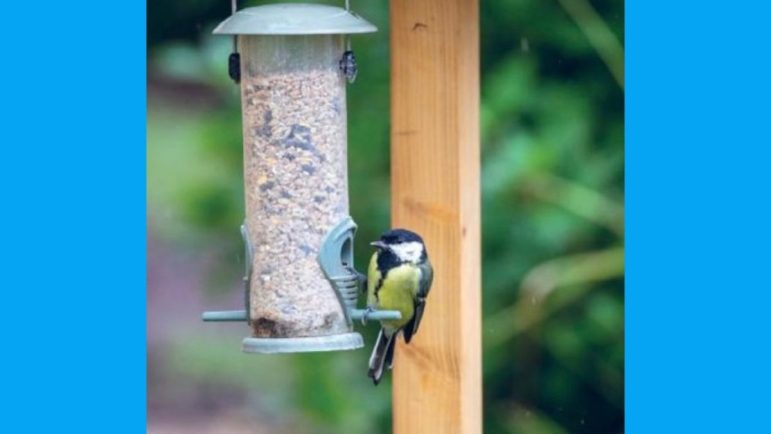
AN ANIMAL charity is urging bird lovers to clean feeders regularly to prevent garden birds from becoming ill.
The RSPCA says it was called out to 516 cases of sick or weak birds across the West Midlands in 2021.
The charity added the calls included ground feeders such as wood pigeons, blackbirds and robins, as well as those which use hanging feeders such as sparrows, finches and tits.
With the RSPCA’s helpline struggling with an unprecedented high volume of calls and the charity facing a very high workload the charity is relying on the public to maintain the health of garden birds – and other animals
The RSPCA said the devastating spread of bird flu particularly among Britain’s waterfowl and seabird population was a timely reminder of the devastation which could occur from contagious diseases.
While bird flu did not tend to affect garden birds, steps to prevent highly infectious diseases from spreading through a bird population were essential whatever the species.
RSPCA scientific officer Evie Button said: “Birds can die from diseases caught from dirty feeders and water bowls so it’s really important to keep garden bird feeders clean.
“It’s really heart-warming so many people – around half the population – want to help garden birds by feeding them.
“But this data suggests birds are not as healthy as they should be and one way we can make a difference and keep them disease-free is good hygiene.
“As supplementary feeding does encourage birds to gather together in close proximity, it can create ideal conditions for diseases to spread amongst garden birds.
“By regularly cleaning bird feeders we can all do our bit to help stop the spread of devastating diseases and maintain the health of our garden birds.”
To help garden birds maintain their health, the RSPCA recommends:
Cleaning feeders weekly and water containers every day (rinse with water and dry before refilling)
Rotating feeding areas around the garden (this keeps bird droppings and bacteria from building up)
Keeping feeding areas raised above the ground (to deter mice, rats and other unwanted visitors)
For more information about feeding and caring for wild garden birds, please visit the RSPCA’s website.
People can go to rspca.org.uk/adviceandwelfare/wildlife/injuredanimals for more advice on what to do if they find a sick bird in their garden.