Metal fabrication requires techniques that ensure strength and precision. One of the most effective methods is profile rolling. This process shapes metal without altering its structure. It improves durability of the structure and maintains tight tolerances. Industries like construction, automotive, and aerospace heavily rely on profile rolling. This technique ensures consistency in metal components. Let’s explore how profile rolling enhances strength and precision in metal fabrication.
What is Profile Rolling?
Profile rolling is a metal forming process. In this process metal sheets are passed through rollers to achieve a specific shape. This technique does not involve cutting or welding. Instead, it gradually shapes metal while maintaining its properties. Manufacturers use profile rolling to create uniform and high-strength components.
Enhancing Strength in Metal Fabrication
Profile rolling increases metal strength by aligning its grain structure. This alignment reduces internal weaknesses. As a result, the material becomes more resistant to deformation. The rolling process also eliminates air pockets and imperfections. This improvement enhances the durability of metal components.
Work hardening occurs during profile rolling. It makes the metal stronger without adding extra weight. Industries that require high-strength materials, such as construction and automotive, benefit from this technique.
Achieving Precision with Profile Rolling
Precision is critical in metal fabrication. Profile rolling ensures accurate dimensions and smooth finishes. The rollers apply consistent pressure, reducing variations in the final product. This method allows manufacturers to create intricate shapes with minimal errors. The process also minimizes material wastage. Manufacturers can achieve high precision without secondary machining processes. This efficiency saves both time and resources.
Applications of Profile Rolling
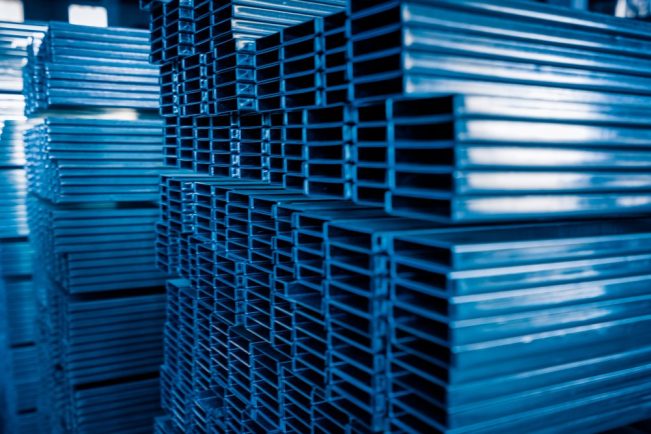
Profile rolling is used in various industries. In construction, it helps create beams, channels, and railings. These components require strength and uniformity. The automotive sector uses profile rolling to produce chassis parts and reinforcements. These parts must withstand impact and stress.
Aerospace manufacturers use this technique for lightweight yet strong components. Profile rolling ensures tight tolerances, which are crucial in aircraft structures. The process is also common in the energy sector. It helps create turbine blades and pipelines that require durability.
Benefits of Profile Rolling
Profile rolling offers multiple advantages. It enhances material strength without additional treatments. It improves dimensional accuracy, ensuring precise component shapes. It also allows manufacturers to create complex shapes efficiently.
Another key benefit is the ability to maintain uniform quality. The consistency in rolled profiles ensures reliable performance in different applications.
Conclusion
Profile rolling plays a vital role in metal fabrication. It enhances strength by improving metal structure. It ensures precision by maintaining accurate dimensions. Industries benefit from its efficiency and cost-effectiveness. The demand for high-quality metal components will increase and profile rolling will be needed in manufacturing process.