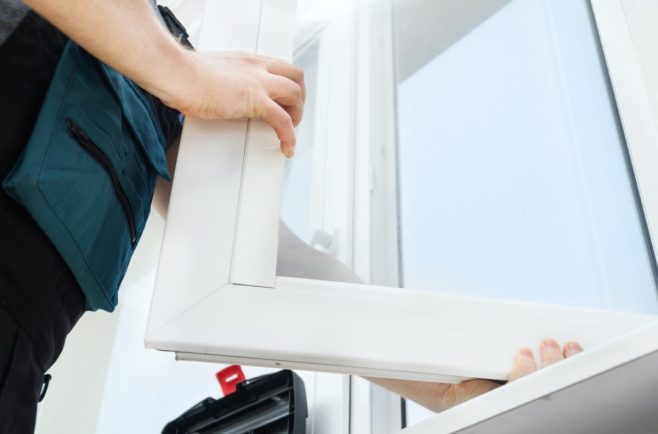
Windows are often features of our homes that we either take for granted until something is wrong or don’t realise the full potential of to begin with. Windows provide us and our homes with light, comfort, security, and kerb appeal. Whether you have a new-build or you need to replace old windows with double glazing in your home, there are several options and factors to consider before installing windows to ensure you get the perfect match.
In this article, we’ll talk you through what these considerations are so that you can make an informed decision and feel at home.
Window style
The style of window you choose can add a lot of character to your home and show off your personal style. You may also want to choose a specific window style depending on how old the building is, or perhaps you prefer having different window styles for different rooms depending on their function. Below, we’ll talk you through some of your options:
Casement windows
Casement windows are one of the most common types of windows found throughout the UK. You can recognise a casement window from its side-mounted hinges that enable it to open and close similarly to a door.
Casement windows are a popular choice for modern homes for multiple reasons. Firstly, their design allows for more light and unobstructed views. They provide an airtight and watertight seal on all four sides, which increases their energy efficiency compared to other types of windows. Casement windows can also be opened wide, helping with ventilation.
Sash windows
Sash windows are characterised by their vertically movable panels or “sashes”. These sashes can be made up of either a single sheet of glass or smaller paned windows. Sash windows are a classic style and it is common to find them in Victorian and Georgian homes.
The aesthetic appeal is usually the main selling point of sash windows. However, they can also increase your home’s energy efficiency when properly installed and maintained. This means you shouldn’t need to worry about drafts and heat loss from your windows.
Bay & Bow windows
If you want to add elegance or a “wow factor” to your home, consider installing a bay or bow window. Bay and bow windows are both window types that project beyond the exterior wall of a building. This means they both help to create extra space in your home. Homeowners typically use this extra space for seating or a cosy reading nook.
Both types of windows consist of multiple panels, meaning they are both ideal choices for letting lots of natural light into your home.
The main difference between bay and bow windows is that bow windows are curved and offer more panoramic views.
Type of glazing and glass
What type of glass and glazing you choose for the windows in your home will depend on your needs and budget. Different types of glass and glazing offer different energy efficiency ratings, and some types of glass offer unique features that you might not have considered yet.
Types of glazing
When it comes to glazing, you have a choice between single, double, triple, and secondary glazing. If you have a listed building, then single or secondary glazing might be your only options to keep with the style and character of the house. If you don’t live in a period property, opting for double or triple glazing is likely a better choice. This is because triple and double glazing are more energy efficient and improve a home’s insulation, as well as reducing noise levels from outside.
But how do you choose between double glazing and triple glazing? This is largely down to budget. As triple glazing has an extra pane of glass, this does make it slightly better than double glazing in terms of noise cancelation and energy efficiency. However, triple glazing is generally expensive compared to double glazing prices in the UK. Many homeowners find that what double glazing offers is enough for their needs, hence why it is currently the most popular glazing choice in the UK.
Types of glass
There are a variety of window glass types to consider, including: Low-E glass, toughened glass, acoustic glass, self-cleaning glass, and laminated glass.
Low-emissivity (low-E) glass is a good option if energy efficiency is high on your priority list. It has a thin coating that reflects heat back into your home.
If you’re looking for strong and durable glass, then toughened and laminated glass are both good choices. Laminated glass also remains intact even when broken, so you don’t need to worry about the potential of sharp shards.
Acoustic glass is great for reducing outside noise levels, so this is a sound option if you live beside a busy road or in the city centre. Whereas if you have a window in a hard-to-reach area of your home, you may not want to consider self-cleaning glass. Self-cleaning glass has a special coating that reacts with sunlight to help break down and loosen dirt, making cleaning easier.
Type of window frame material
Triple and double glazing isn’t the only thing that can help with the energy efficiency rating of your home – the type of window frame material you choose can also make a difference. Some of the most common materials used are uPVC, aluminium, and wood.
uPVC windows are the most popular frame material for double glazed windows in the UK. The main advantages of double glazed uPVC windows are durability, low maintenance, and price. They tend to be the cheapest option in terms of upfront costs and also last for around 20 years.
Aluminium windows can give a modern edge to your home. They are also strong and don’t require much maintenance. However, one of the main cons to aluminium windows is that they are poor insulators compared to other materials, so it is particularly important to consider triple or double glazing if opting for this material.
The main appeal of wooden windows for many homeowners is their aesthetics. Double glazed wooden windows can also have a long lifespan, however, this does require a lot of upkeep. The upfront costs of double glazed wooden windows can also be expensive.
Final considerations
Hopefully, you now have a better idea of what type of windows you’d like for your home. However, there are some additional elements to keep in mind, such as the handles and locking mechanisms of your windows, as this can affect the security of your home. And also the warranty period offered so you can feel confident in your decision.
Ultimately, it is a good idea to talk to multiple installers and choose someone you trust so you can find the best windows for your home.