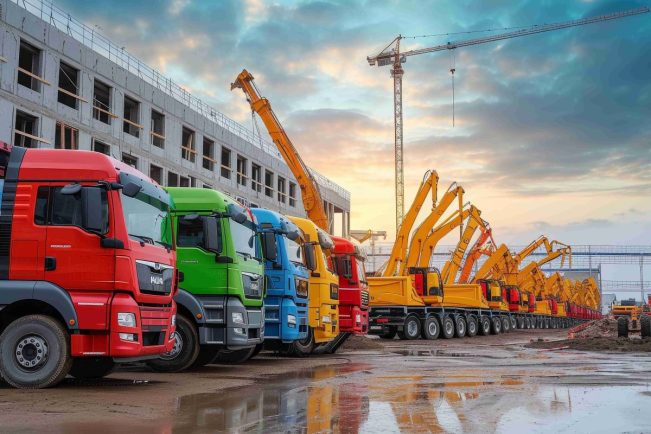
Managing and acquiring construction vehicles is a key part of any building project. Whether it’s a small home construction or a large commercial job, having the right vehicles on-site can make a big difference. It can help save time, reduce costs, and keep the construction project running smoothly. Knowing what vehicles to get and how to manage them properly may seem like a challenge, but with the right approach, it becomes easier to handle.
Choosing the Right Construction Vehicles
The first step is to identify the specific heavy machinery the project requires. Different vehicles serve different purposes—excavators for digging, bulldozers for moving soil, and dump trucks for transporting heavy materials.
Consider the size of your project, too; smaller construction sites may only need basic equipment like a wheel loader, while larger ones might require cranes or graders. Also, think about the terrain—rough ground may call for all-terrain vehicles to ensure safe navigation.
Buying, Leasing, or Renting: What’s Best for You?
Once you know which vehicles you need, the next step is deciding whether to buy, lease, or rent them. Each option has its own benefits depending on how long you need the vehicles and what your budget looks like.
Buying is the best choice if you plan to use the equipment for a long time or across multiple projects. While buying construction vehicles can be expensive upfront, you can always apply for loans options by Credibly or other reliable lenders. For example, a construction company that works on multiple large projects each year might find it more cost-effective to own its equipment. Plus, when you own the vehicles, you can control their maintenance and usage.
Leasing is a good middle ground if you need the heavy equipment for a specific project but don’t want to commit to buying. Leasing allows you to use the construction vehicle for a set period, usually at a lower cost than buying. This option is especially helpful for companies that work on long but temporary projects, as it avoids the high costs of ownership while still providing access to quality equipment.
If your project is short-term, renting may be the best option. Renting allows you to get the exact vehicles you need without a long-term commitment. It’s also a great way to access the latest models and technology. For instance, if you only need a crane for a few days, renting one makes more sense than buying or leasing.
Managing Construction Vehicles Efficiently
Once the vehicles are on-site, it’s important to manage them properly using fleet management software from providers like CDWare Technologies. This involves regular maintenance, timely repairs, and making sure the operators know how to use the equipment safely. Good management keeps the vehicles running smoothly and prevents breakdowns that can delay the project.
Regular maintenance is essential to keep the vehicles in good condition. This includes simple tasks like checking the oil, testing the brakes, and inspecting the tyres. For example, checking the tyre pressure regularly can help avoid blowouts, while routine oil changes keep the engine running smoothly. Setting up a schedule for these checks can prevent costly repairs down the line.
Another key part of vehicle management is operator training. Well-trained drivers know how to handle the equipment without causing unnecessary wear and tear. Proper training also ensures safety on the construction site. For example, a well-trained excavator operator will know how to avoid damaging the machine or putting others at risk.
Saving Money on Vehicle Management
Managing construction vehicles doesn’t just involve keeping them running; it also means finding ways to save money. One way to reduce costs is by choosing fuel-efficient vehicles. Many construction vehicles use a lot of fuel, so switching to more efficient models can save a significant amount of money.
Another way to save is by planning how the vehicles are used on-site. For instance, avoid leaving vehicles running when they’re not in use, as this wastes fuel and adds wear to the engine. Organizing the work so that vehicles are used only when needed helps keep costs down.

If your budget is tight, consider buying second-hand vehicles. Used construction vehicles can offer great value if they’re in good condition. Always inspect them carefully before buying to make sure you’re not taking on expensive repairs.
Safety and Compliance
Safety is one of the most important aspects of vehicle management. Construction vehicles can be dangerous if not handled properly, so it’s crucial to follow all safety guidelines. Make sure the vehicles are inspected regularly and that operators are properly certified.
For example, cranes and other large equipment should be checked frequently to ensure their safety features, like alarms and emergency brakes, are working correctly. Having a safety plan in place can prevent accidents and keep the worksite secure.
Also, staying updated with local laws and regulations is essential. Different areas have specific rules for operating construction vehicles, such as emission standards or operator certifications. Failing to follow these regulations can lead to fines and project delays.
Conclusion
Acquiring and managing construction vehicles is a major part of any building project. From selecting the right vehicles to choosing how to acquire them and managing their maintenance, each step requires careful planning. By understanding your project’s needs, managing costs, and prioritizing safety, construction managers can ensure that the vehicles contribute to a smooth and successful operation. Proper vehicle management not only saves money but also helps in completing the project efficiently and safely.